How the August 2026 Tightening of Condo Credit Changes the Rules in South Florida

Unique angle of this article: while nearly all coverage frames August 3 as a "slowdown" for the market, here we explain why this credit squeeze — combined with the removal of the 50% investor cap — opens a concrete window for the cash-ready buyer, especially the international and Latin American investor who dominates Brickell.
The South Florida condo market has been carrying a quiet weight for months: financing. One figure sums it up. Of the 2,397 condominium buildings in Miami-Dade, Broward, and Palm Beach, only 21 are approved for FHA loans — just 0.9%, according to HUD and the MIAMI Association of Realtors. And starting August 3, 2026, Fannie Mae and Freddie Mac are eliminating the limited review for buildings with more than ten units. The easy read is "a slowdown is coming." The read from an agent working this market daily is different: conventional credit becomes a filter, and whoever buys in cash moves to the front of the line.
What exactly changes on August 3, 2026?
Until now there was a shortcut. Under the limited review (Fannie Mae) or streamlined review (Freddie Mac), a buyer who put down a higher down payment could finance a condo without the lender taking a full X-ray of the association's finances. That shortcut disappears.
According to Fannie Mae's Lender Letter LL-2026-03 and Freddie Mac's corresponding bulletin — both issued on March 18, 2026 — any loan application dated August 3, 2026 or later, for a project with more than ten units, must go through a complete full review. This means the lender — and by extension the association — must document reserves, insurance, pending litigation, delinquencies, and the structural condition of the building. Nationally, roughly 40% of condo reviews used the shortcut now being eliminated.
For South Florida, historically a "high-hurdle" state for condo credit, the change is especially sensitive: Florida is the only state that requires a buyer to put down 25% on a limited review when the building lacks sufficient reserves, versus 10% in the rest of the country. That regulatory cushion is gone.
Why does only 0.9% of condos qualify for FHA, and why does it matter?
The figure sounds dramatic because it is. That only 21 of nearly 2,400 buildings are FHA-approved reflects years of underfunded reserves, rental-to-ownership conversions, and the regulatory hangover from the 2021 Champlain Towers South collapse in Surfside, which led to the state's SB 4-D law and mandatory structural inspections.
The practical effect shows up in sales. Total condo transactions in Miami fell 13% year-over-year in August 2025 — from 1,038 to 903 — and the MIAMI Association of Realtors attributes part of that drop to elevated rates and the lack of FHA loans. When a building loses its "warrantable" status, buyers are limited to portfolio loans (with higher rates) or cash, which shrinks the buyer pool and puts downward pressure on prices.
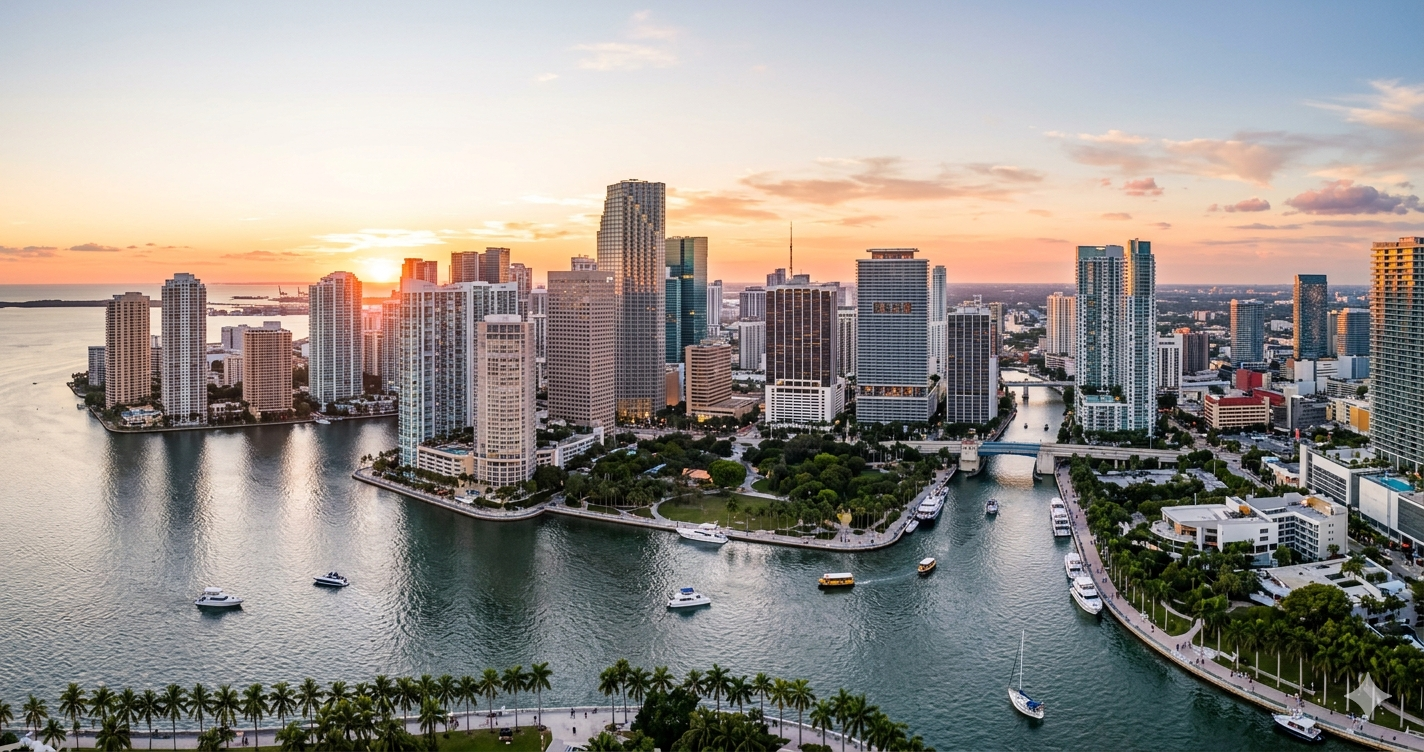
Here's a field observation that rarely appears in the reports: in Brickell, buildings constructed after 2015 with well-capitalized associations absorb this change almost without friction, while the 1980s and 1990s inventory near Brickell Avenue is where the squeeze will really be felt. If you're comparing two units at a similar price, the building's age and the health of its reserve fund just became more important than the view.
Who does this tightening hurt, and who does it help?
It hurts the first-time, budget-conscious buyer who relied on a low down payment and quick conventional financing, especially in older buildings without reserves. For that profile, August 2026 closes a door.
It helps the cash-ready buyer. And that profile is exactly the one moving much of Miami's luxury market: international buyers purchased 49% of South Florida's new-construction and pre-construction sales in the 18 months ending June 2025. The Latin American investor who buys in cash isn't affected by the full review; on the contrary, they gain negotiating power against sellers whose conventional buyers start falling through at closing.
On top of this comes a piece of good news almost no one is telling: the same regulatory package removed, effective immediately, the 50% cap on investor-owned units. For years, many buildings in Brickell and downtown Miami were excluded from conventional credit for having a majority of investor-owners. That barrier no longer exists, which restores eligibility to urban towers that were previously blocked.
What should buyers and investors do before August?
If your purchase is with conventional financing and your closing extends beyond August 3, your lender could require a full review. Concrete recommendations:
Add 2 to 4 weeks to any condo closing timeline after August 3. The association's documentation takes time.
Request the building's reserve study and questionnaire (Fannie Form 1076 / Freddie Form 476) before making an offer. A building with reserves below the threshold can disqualify you without your knowing.
If you're buying in cash, use it as leverage. In an environment where financed buyers face more friction, a clean, fast offer is worth more than it was six months ago.
Verify FHA or "warrantable" status with a mortgage professional, not just the agent. Project approval changes, and listings aren't always up to date.
How does this fit into Miami real estate investment over the medium term?
The reserve squeeze raises the bar — it climbs to 15% in 2027 — and that, though uncomfortable today, improves the structural and financial health of the buildings that do comply. For a Miami real estate investment strategy with a multi-year horizon, buying into a well-capitalized, warrantable tower is buying future liquidity: when the time comes to sell, your buyer pool will be larger than that of the neighboring building left out of conventional credit. Miami-Dade condo appreciation has been 102% over the last decade (from $203,500 to $410,000 between August 2015 and August 2025), and building quality will increasingly determine who captures that appreciation.
Frequently Asked Questions (FAQ)
Does eliminating the limited review affect cash purchases? No. The full review is a requirement of conventional credit backed by Fannie Mae and Freddie Mac. If you buy without a mortgage, the August 3 change doesn't apply to your transaction — though it's still worth understanding the building's financial health for your future resale.
Will my condo become impossible to sell if the building doesn't qualify for conventional credit? It won't become impossible to sell, but the buyer pool shrinks to those paying cash or using portfolio loans with higher rates. That can pressure the price. This is why the health of a building's reserves has become a central factor in value.
What happens if I'm already under contract before August 3? Transactions already in progress can generally close under the existing rules, but if your closing extends beyond that date, the lender could require a full review. Talk to your loan officer now to confirm which standard will apply to your timeline.